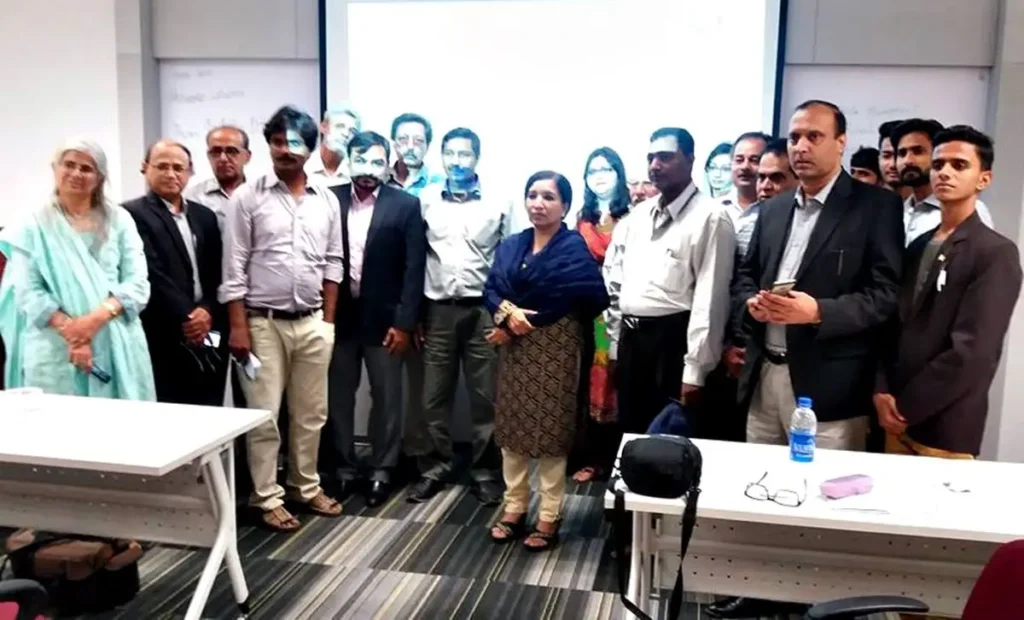

A training workshop titled “The Role of Media in Communicating Climate Change” was organized on 7th September 2016 at the Centre for Excellence in Journalism (CEJ), IBA Karachi, by the Green Media Initiative (GMI) in collaboration with the Friedrich Naumann Foundation (FNF). The workshop brought together media professionals from diverse backgrounds in a focused learning environment aimed at strengthening the role of journalism in addressing one of the most pressing global challenges of our time—climate change. The venue provided an ideal academic and professional setting for meaningful dialogue, learning, and exchange of ideas among participants.
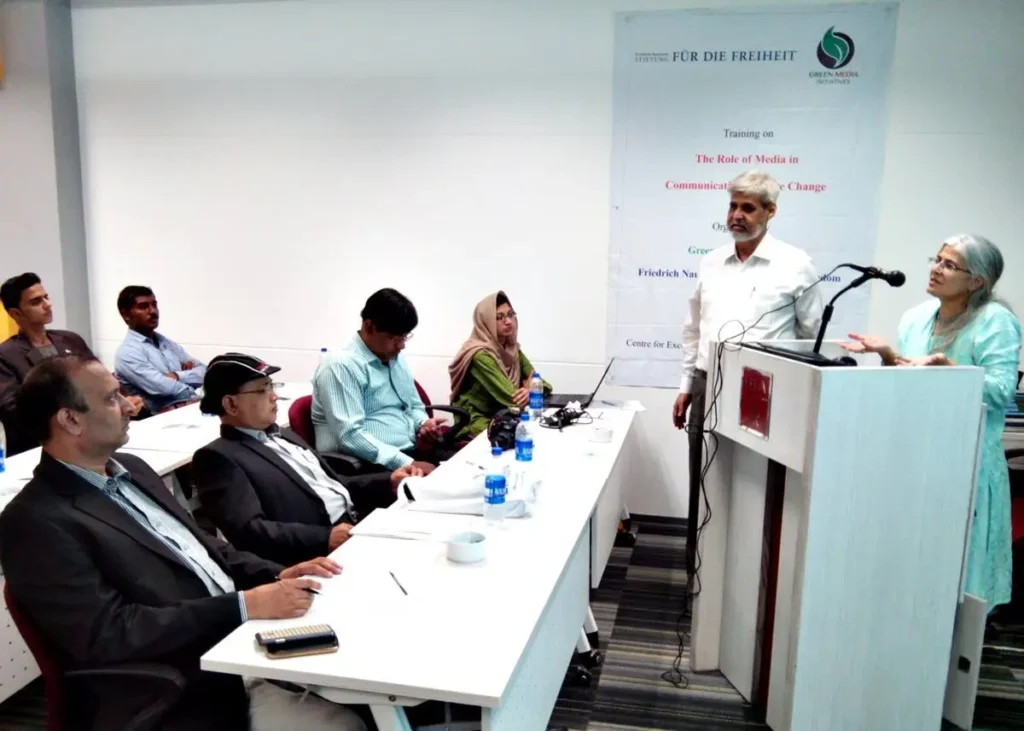
The primary objective of the workshop was to sensitize journalists to the growing challenges posed by climate change and to enhance their understanding of how environmental degradation, extreme weather events, and climate-induced disasters directly affect communities, economies, and national development. Special emphasis was placed on the importance of responsible, accurate, and in-depth reporting of disaster-related crises linked to climate impacts. The organizers stressed that the media plays a critical role in shaping public opinion, influencing policy debates, and holding authorities accountable, making it essential for journalists to have a strong grasp of climate science and environmental issues.
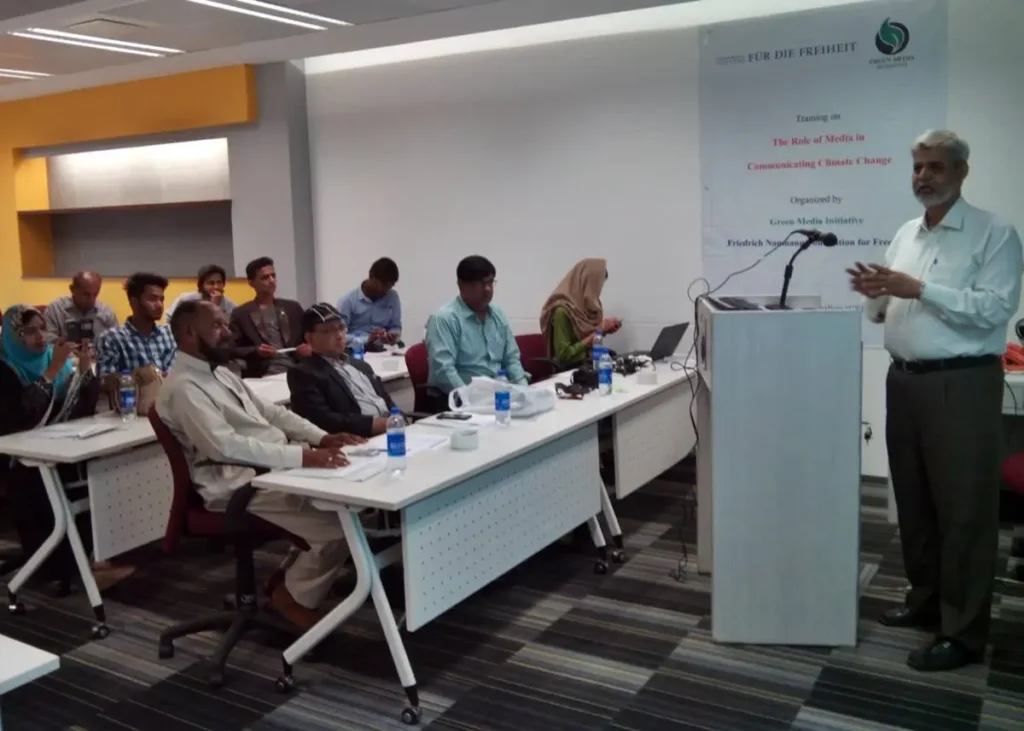
At the start of the workshop, Shabina Faraz, CEO of Green Media Initiative, gave a comprehensive introduction to GMI and its mission. She highlighted that the lack of structured capacity-building opportunities for journalists in environmental and climate reporting has significantly contributed to weak coverage of climate issues in mainstream media. This gap, she noted, ultimately worsens the impacts of climate change by limiting public awareness and delaying informed action. She further explained that the training workshop was arranged with the support of the Friedrich Naumann Foundation to help address this critical gap and empower journalists with the knowledge and tools needed to report effectively on environmental challenges.
The workshop sessions were led by environmental expert Rafi ul Haq and senior environmental journalist Afia Salam, both of whom shared their extensive experience and insights with the participants. Rafi ul Haq provided a scientific and technical overview of climate change, its causes, and its far-reaching impacts, particularly in the context of Pakistan. Afia Salam focused on the practical aspects of environmental journalism, guiding participants on how to identify climate-related stories, interpret scientific data, and present complex issues in a clear and engaging manner for diverse audiences. Interactive discussions and question-and-answer sessions allowed participants to actively engage with the trainers and clarify their understanding.
Representing the Friedrich Naumann Foundation, Amir Amjad introduced the foundation and outlined its mission and values. He emphasized that FNF seeks to partner in initiatives that align with its objectives of promoting knowledge, freedom, and informed public discourse. He congratulated the participants for being part of an important learning forum and encouraged them to use the knowledge gained from the workshop to contribute meaningfully to public awareness and policy discussions on climate change.
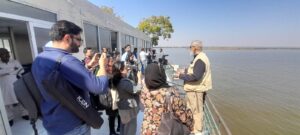
As part of the program’s continuation, Afia Salam announced an upcoming field trip for journalists, aimed at providing hands-on exposure to environmental and climate-related issues on the ground. She stated that participants who begin working in the suggested directions and produce relevant articles, reports, or media material would be eligible for the next exposure visit. This announcement was warmly received, as it offered participants an opportunity to translate theory into practice.
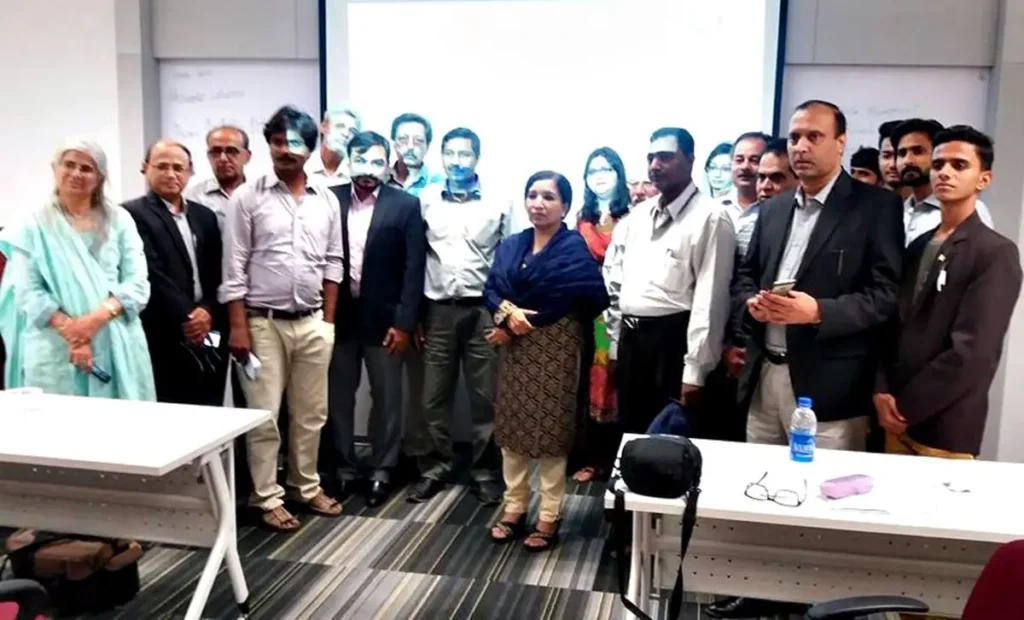
In his concluding remarks, Dr. Furqan Haider thanked the participants, trainers, and partner organizations for their valuable contributions. He noted that the thirst for knowledge in the field of climate and environmental journalism remains unquenched and reaffirmed GMI’s long-term commitment to strengthening the capacity of journalists on climate change and other environmental issues. Around 20 media professionals from electronic, print, radio, and news agencies participated in the workshop, making it a diverse and impactful learning experience that reinforced the vital role of media in communicating climate change responsibly and effectively.