Climate Change Is Forcing Women in Skardu to Abandon Centuries-Old Livelihoods
In Pakistan’s northern mountains, climate change is no longer a future threat—it is destroying lives, traditions, and women’s economic security.
For generations, women in Skardu and surrounding villages relied on livestock farming for survival. Cattle, milk, and dairy products sustained families and preserved a way of life passed down for centuries. Today, climate change has disrupted that balance, pushing women toward uncertain and often fragile livelihoods.
“Our ancestors lived off livestock, and so did we,” says Rosi Bi from Sadpara village. “But heavy snowfall and unpredictable weather have made fodder scarce. Now we keep animals only for our homes.”
Life Near Sadpara Lake: Beauty Meets Crisis
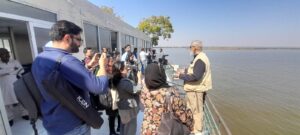
Sadpara village lies just 30 kilometers from Skardu, near the stunning Sadpara Lake in the Karakoram range. Around 3,000 people live here, many of them women managing households alone as men migrate for work.
Traditionally, women raised cattle while managing homes and children. But with longer winters and extreme weather, livestock farming has become unsustainable. Women are now turning to potato and vegetable farming, working small plots of land measuring 1,200 to 1,800 square yards.
Due to a single annual growing season, income remains limited. However, rising tourism has increased demand. Women now sell produce directly to hotels, earning up to PKR 150,000 annually—a lifeline, but far from secure.
A Fragile Mountain Region Under Pressure
Gilgit-Baltistan sits at the crossroads of the Karakoram, Himalayas, and Hindukush ranges. It is home to K2, over 5,100 glaciers, and 119 lakes, making it one of the world’s most critical freshwater reserves.
Yet this ecologically rich region is highly vulnerable to climate change. According to the Gilgit-Baltistan Disaster Management Authority, temperatures have dropped to -34°C in Deosai, while Skardu recorded four feet of snowfall in one winter.
Even more alarming is the rise of debris flows—violent torrents of mud, rocks, and water caused by melting glaciers and heavy rain.
When the Mountains Collapse
In Kotham Pine village near Shigar, residents woke to the sound of destruction.
“We came outside and saw mountains collapsing into our village,” recalls Ruqqaiya Bibi.
The disaster killed two people, wiped out over 150 livestock, and destroyed crops and homes. Ruqqaiya lost everything. Government aid was minimal, forcing her to depend on relatives for survival.
Her story mirrors countless others across Skardu, where women repeatedly lose homes, animals, and income to floods and landslides—only to start again from nothing.
Women Carry the Heaviest Burden
Climate disasters affect entire communities, but women suffer the most. They manage households, care for children, farm land, and rebuild lives after every crisis. Each disaster deepens poverty and erases years of progress.
In many villages, climate change has transformed survival into a permanent struggle rather than a temporary challenge.
Building Climate Resilience Through Women
Organizations like the Aga Khan Rural Support Programme (AKRSP) are helping women adapt to climate realities. Through training and small-scale investments, women are learning to diversify income sources.
According to Shabana Raza from AKRSP, deforestation has intensified floods and landslides. In response, women are creating plant nurseries, growing saplings, and selling them back to the organization—resulting in hundreds of thousands of trees planted.
AKRSP is also supporting:
- Eco-tourism-linked agriculture
- Dairy processing (cheese, yogurt, eggs)
- Off-season vegetable farming
- Sheep and mountain goat rearing to revive traditional shawls and carpets
These efforts are helping women move from survival to entrepreneurship.
Small Successes, Big Gaps
Some women have successfully transitioned. Habiba Iqbal started a eucalyptus nursery. Gulshan Begum opened a beauty salon in Skardu with a PKR 20,000 investment.
But many women—like Ruqqaiya Bibi and Rosi Bi—still wait for interest-free loans, disaster compensation, and long-term support.
Climate Change Is a Women’s Crisis
In Skardu, climate change is not just melting glaciers—it is dismantling livelihoods and traditions led by women. While resilience runs deep, survival alone is not enough.
Without urgent investment in women-centered climate adaptation, disaster preparedness, and sustainable livelihoods, the human cost of climate change in Pakistan’s mountains will continue to rise.