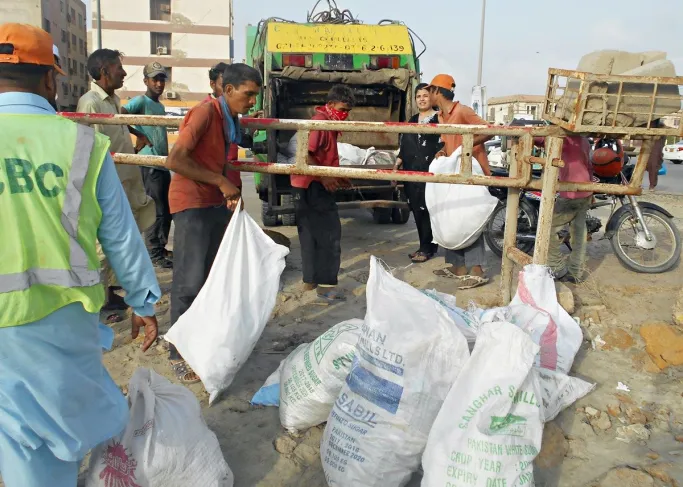

On 15th September 2018, Green Media Initiative (GMI), with the generous support of Hashoo Foundation, marked Coastal Cleanup Day with a large-scale environmental action at Clifton Beach, Karachi. The event brought together environmental experts, journalists, activists, students, and civil society members in a powerful demonstration of collective responsibility toward protecting Pakistan’s coastline and marine ecosystem.
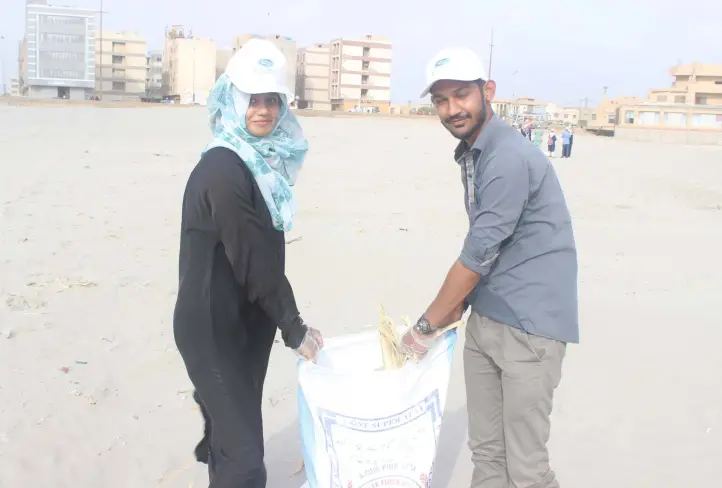
The cleanup activity was led by Shabina Faraz, CEO of Green Media Initiative, and was joined by renowned ecologist Dr. Rafi ul Haque, researcher Dr. Seema Naz, environmental activist Dr. Alia Khan, and senior journalist Afia Salam. Their presence not only strengthened the initiative but also inspired young volunteers to actively engage in environmental stewardship. A strong sense of camaraderie and shared purpose was visible throughout the event, reflecting hope for a cleaner and more sustainable future.
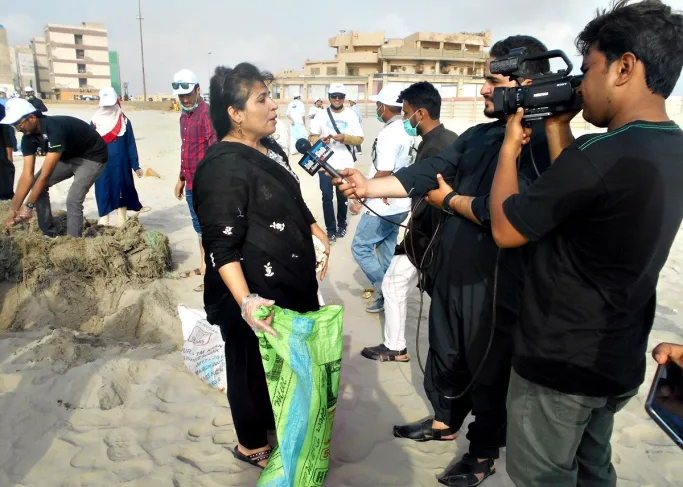
Around 100 students from leading academic institutions, including the University of Karachi, Institute of Business Management (IoBM), and Federal Urdu University of Arts, Science and Technology (FUUAST), participated enthusiastically. They were joined by over 100 volunteers from civil society, the social sector, and media organizations. The primary objective of the activity was to create mass awareness about coastal conservation, highlighting the urgent need to protect beaches from waste—particularly plastic pollution and single-use disposables.
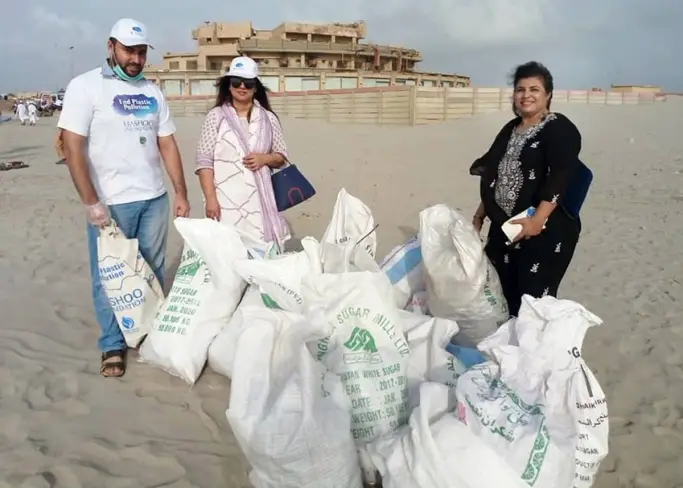
Plastic Pollution: A Growing Threat to Oceans and Human Health
Plastic pollution remains one of the most serious threats to our oceans. Unlike organic waste, plastic does not biodegrade. Instead, it breaks down into smaller fragments through sunlight exposure, forming microplastics that persist in the environment for decades. These plastics pose a severe risk to marine life, coastal ecosystems, and human health. From sea creatures ingesting plastic debris to animals getting trapped in bottle rings and straws, the consequences are both tragic and preventable.
Beaches serve as a critical link between human activity and the ocean. When beaches are polluted, the waste inevitably finds its way into the sea. By keeping our coastlines clean, we directly contribute to protecting marine biodiversity and maintaining the health of ocean ecosystems. Every individual effort—no matter how small—plays a role in improving the overall condition of our oceans.
The Need for Awareness and Action at the Grassroots Level
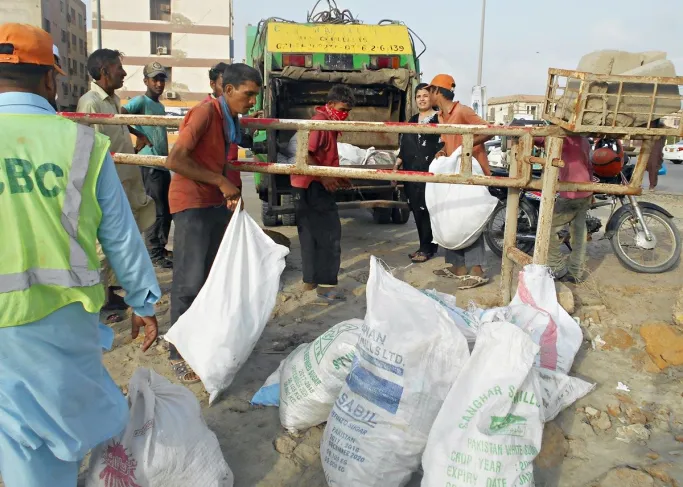
The deteriorating condition of Karachi’s beaches highlights the failure of solid waste management systems and the lack of public awareness. Addressing this crisis requires more than one-day cleanups; it demands long-term behavioral change and community engagement. GMI emphasized the need to develop “scientific citizens”—individuals who understand environmental challenges and actively work to address them at the grassroots level.
The ocean covers 71% of the Earth’s surface and plays a vital role in sustaining life. It helps regulate the climate, absorbs carbon dioxide, produces oxygen, and provides food and livelihoods for millions of people. Despite its immense importance, marine ecosystems continue to suffer due to neglect and pollution.
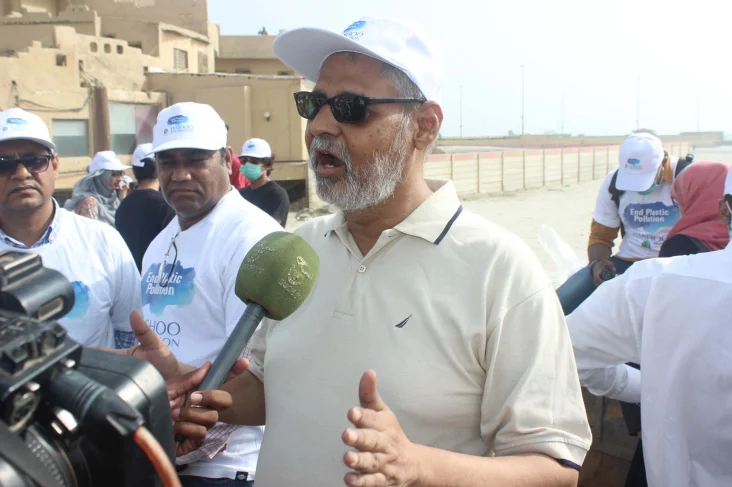
Pakistan’s over 1,000-kilometer-long coastline is in urgent need of regular, efficient, and well-coordinated cleanup efforts to prevent it from turning into a massive waste dump. Coastal Cleanup Day 2018 served as a strong reminder that protecting our oceans starts with protecting our beaches—and that meaningful change is possible when communities come together for a shared cause.
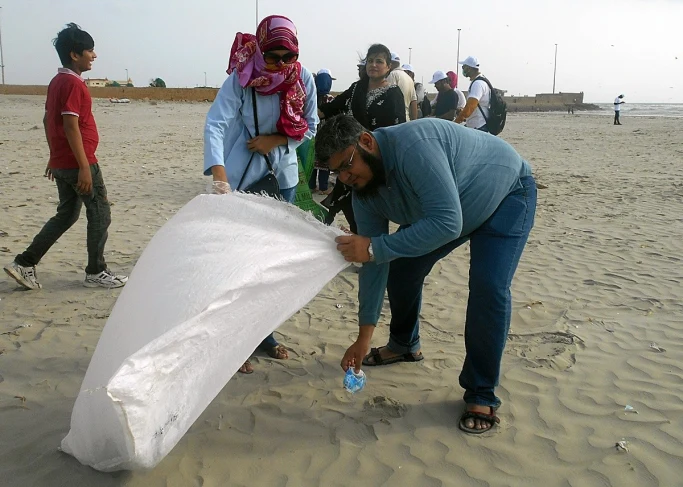
Through initiatives like this, Green Media Initiative continues to advocate for environmental awareness, climate action, and sustainable practices, reinforcing the message that a cleaner coast today ensures a healthier ocean for generations to come.