
World Wetlands Day 2026: Haleji Lake Faces a Growing Ecological Crisis, Thatta, Sindh – February 2, 2026
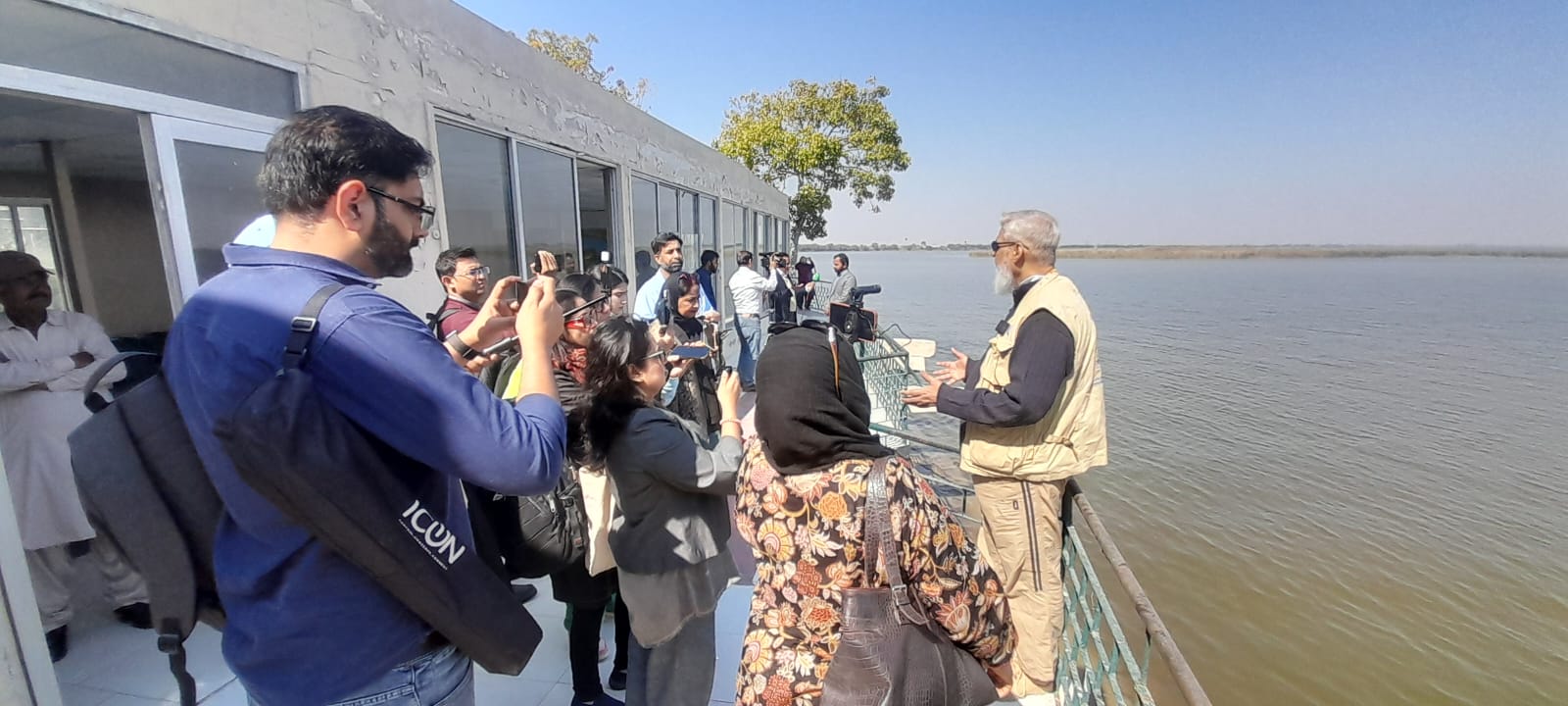
As part of World Wetlands Day 2026, Accountability Lab Pakistan and Green Media Initiative (GMI) jointly organized an awareness seminar and field visit to Haleji Lake, bringing together journalists, environmental experts, students, community representatives, and civil society members to highlight the growing ecological challenges facing one of Pakistan’s most important Ramsar wetlands. The initiative aimed to bridge the gap between environmental advocacy and public engagement by providing participants with firsthand exposure to the lake’s deteriorating condition, including shrinking water levels, declining migratory bird populations, pollution, and habitat degradation. Through expert discussions and on-site observations, the collaboration sought to promote informed dialogue on wetland conservation, climate resilience, and environmental accountability. The seminar and field visit also encouraged youth participation and media engagement, emphasizing the critical role of public awareness, evidence-based reporting, and collective action in safeguarding Haleji Lake and other vulnerable ecosystems across Pakistan.
Located approximately 88 kilometers from Karachi in Thatta District, Haleji Lake has historically served as a sanctuary for thousands of migratory birds arriving from Siberia, Central Asia, and Europe. Once celebrated for its rich biodiversity, freshwater resources, and scenic beauty, the lake is now facing severe environmental challenges that threaten its future.
A Wetland Under Threat
Multiple media reports released on World Wetlands Day highlighted a common concern: Haleji Lake is experiencing a serious ecological crisis driven by water shortages, pollution, habitat degradation, and climate change.
A report by Dawn journalist Shazia Hassan described the lake as a neglected wetland despite its international Ramsar status. The report noted shrinking water bodies, declining migratory bird populations, and insufficient government attention to conservation efforts.
Coverage:
https://www.dawn.com/news/1970716/haleji-lake-begs-for-attention-on-world-wetlands-day
Similarly, Anadolu Agency’s report by Amir Latif referred to Haleji as Pakistan’s first man-made lake and warned that falling water levels, pollution, and disappearing bird populations are pushing the ecosystem toward collapse. Environmental experts interviewed in the report linked the crisis to climate change and poor water management practices.
Coverage:
Declining Migratory Bird Populations
One of the most visible signs of ecological degradation is the sharp decline in migratory birds that traditionally wintered at Haleji Lake. Reports from The Truth International, SAMAA Urdu, and Farozaan Magazine noted that species arriving from Siberia and Europe are becoming increasingly rare due to habitat loss, contamination, and reduced freshwater availability.
SAMAA Urdu highlighted that Haleji, once regarded as one of Asia’s largest refuges for migratory birds, has witnessed a significant decline in bird numbers as climate change and freshwater shortages continue to affect the wetland ecosystem.
Coverage:
https://urdu.samaa.tv/2087349165
The Truth International further emphasized that contamination and water scarcity are driving birds away from their traditional habitats and called for urgent government intervention.
Coverage:
https://thetruthinternational.com/haleji-lake-faces-ecological-decline-as-migratory-birds-vanish/
Water Shortages and Pollution
Several reports identified water scarcity as the central challenge facing Haleji Lake. The Express Tribune reported that declining freshwater inflows and pollution have severely affected water quality and biodiversity. Experts warned that without immediate restoration measures, the lake could risk losing its ecological significance and protected wetland status.
Coverage:
https://tribune.com.pk/story/2590412/world-wetlands-day-haleji-lake-faces-ecological-crisis
ED News echoed similar concerns, pointing to urban expansion, water diversion projects, and climate change as key drivers of environmental degradation.
Coverage:
https://ednews.net/en/news/country/714702-world-wetlands-day-pakistans-first
Meanwhile, Awami Awaz highlighted the impact of environmental decline on local communities and tourism, noting that reduced bird populations and deteriorating environmental conditions have affected livelihoods linked to the lake.
Coverage:
Climate Change Intensifies the Crisis
Climate change emerged as a recurring theme across media coverage. Reports from WE News and HumSub described how prolonged droughts, changing rainfall patterns, and rising temperatures are placing additional pressure on already stressed wetland ecosystems.
WE News reported that Haleji Lake, once a thriving wetland supporting diverse wildlife, is increasingly vulnerable to habitat degradation and biodiversity loss caused by climate-related impacts.
Coverage:
HumSub emphasized that continued neglect, combined with climate stress, could permanently damage the lake’s ecosystem and biodiversity.
Coverage:
Awareness and Conservation Efforts
Despite the challenges, World Wetlands Day activities also highlighted ongoing conservation and awareness initiatives. Reports by PTV and Kehdo Pak covered seminars and public discussions organized to promote wetland protection, environmental education, and policy reform.
PTV correspondent Sohail Jamali reported that Haleji Lake remains one of Sindh’s nine Ramsar wetlands and continues to hold immense ecological and historical value. The report emphasized the importance of protecting the lake as a freshwater reservoir and habitat for migratory birds.
Coverage:
Additional PTV Coverage:
Kehdo Pak reported on a World Wetlands Day seminar where speakers stressed the importance of youth engagement, environmental awareness, and stronger conservation policies to protect Pakistan’s wetlands.
Coverage:
موسمیاتی تبدیلی پاکستان کے آبی نظام کو شد ید متاثر کردیا ہے،ماہرین
The Road Ahead
The collective message emerging from World Wetlands Day 2026 coverage is clear: Haleji Lake is at a critical turning point. Water shortages, pollution, climate change, and declining biodiversity are threatening one of Pakistan’s most valuable wetlands. Experts, journalists, environmental organizations, and community representatives are calling for immediate and coordinated action to restore freshwater inflows, improve habitat management, strengthen environmental governance, and increase public participation in conservation efforts.
Without decisive intervention, Haleji Lake risks losing not only its ecological richness but also its role as a vital refuge for migratory birds and an important natural asset for future generations.