Introduction: A Quiet Revolution in Rural Sindh
In the sun‑baked plains of Thatta, Sindh, a quiet yet powerful transformation is underway. In villages often associated with poverty, climate vulnerability, and limited opportunities for women, rural communities are rewriting their futures through skill, courage, and collective action. At the heart of this change is Lakho Bhambro, a small village of just 90 households that has emerged as a model village for women‑led development.
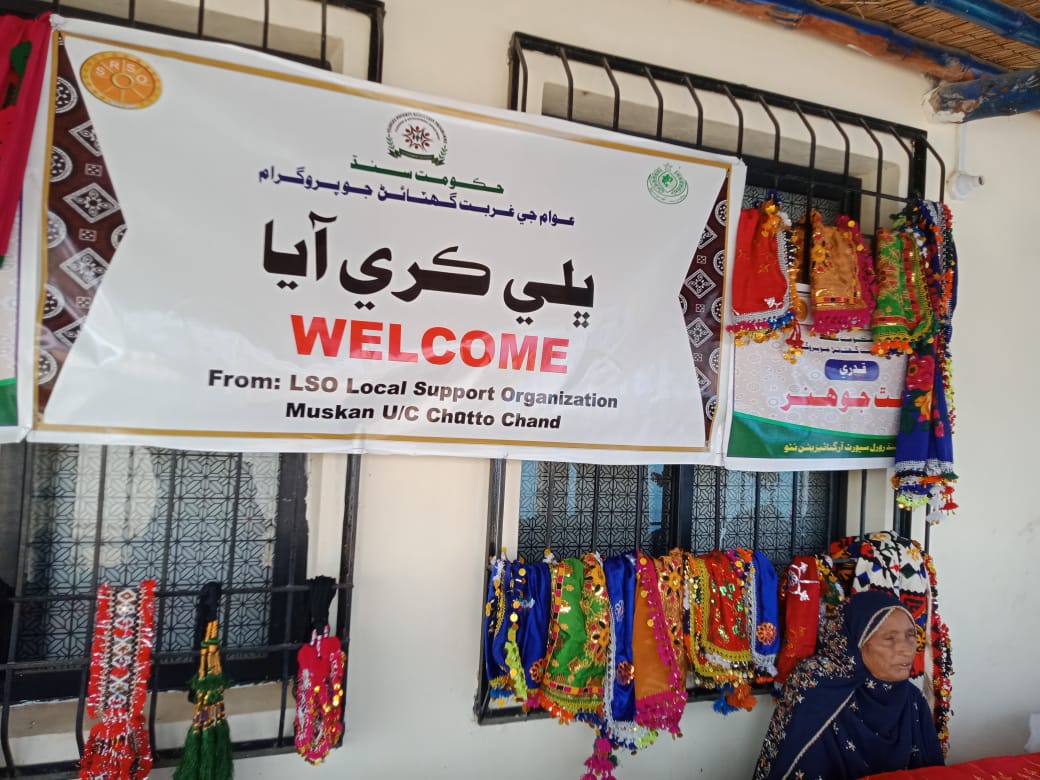
This transformation is the result of a strategic partnership between the Sindh Rural Support Organization (SRSO) and Green Media Initiatives (GMI). By combining grassroots economic empowerment with impactful storytelling, the collaboration has amplified the voices of marginalized women and showcased how sustainable development can take root when culture, entrepreneurship, and media intersect.
Lakho Bhambro: A Village of Resilience
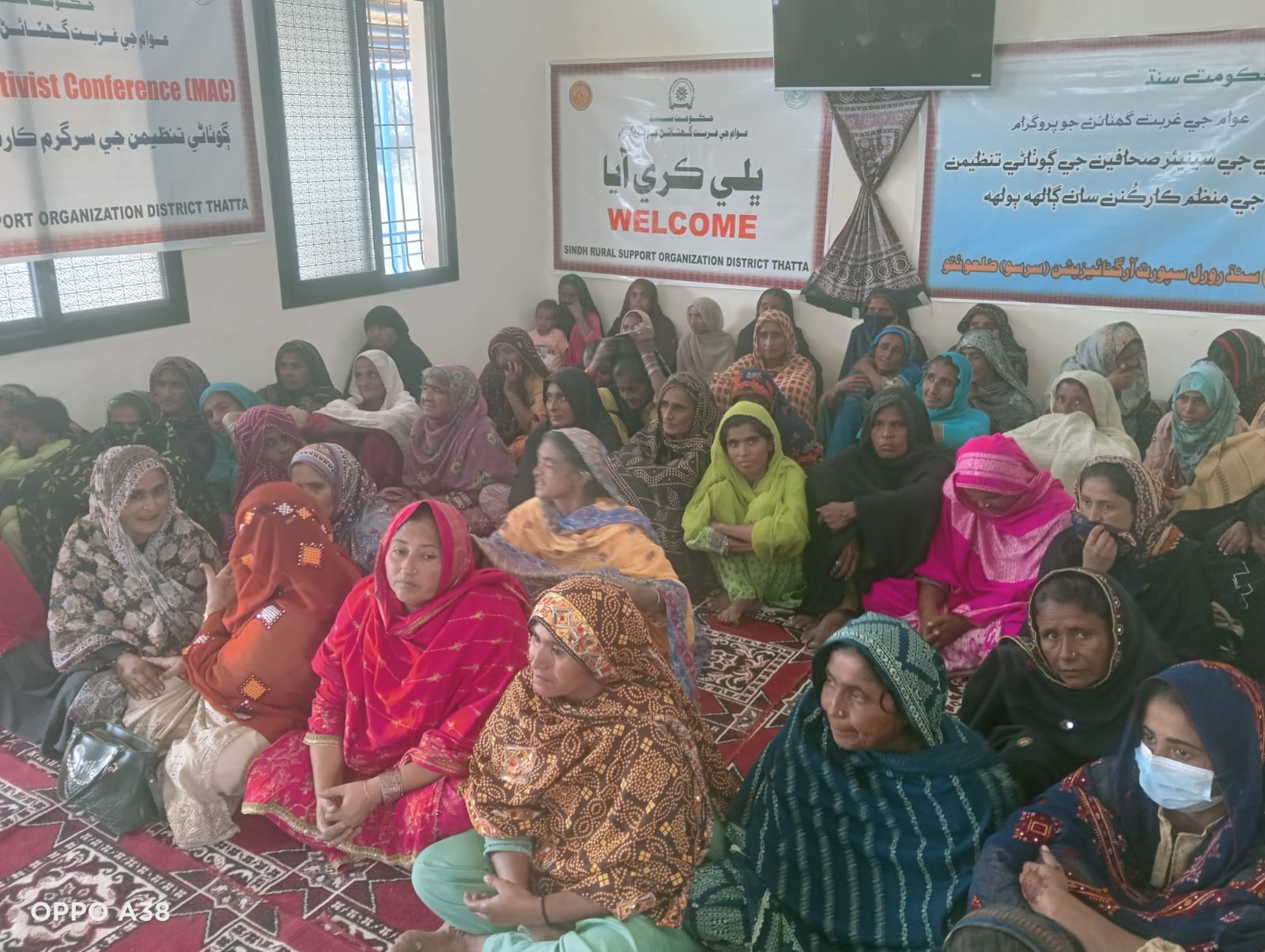
Located in Thatta district, Lakho Bhambro represents the lived realities of rural Sindh—limited infrastructure, long distances to education facilities, and restricted economic opportunities. The nearest secondary school is 15 kilometers away, and most families survive on daily wages of around PKR 500. Yet, against these odds, women in the village are leading a transformation grounded in self‑reliance.
With a 99% loan recovery rate, the women of Lakho Bhambro have proven that trust, discipline, and community solidarity can drive sustainable progress. Sewing needles, fishing ponds, and schoolbooks have become tools of resistance against poverty and gender inequality.
Economic Empowerment Through Skills and Enterprise
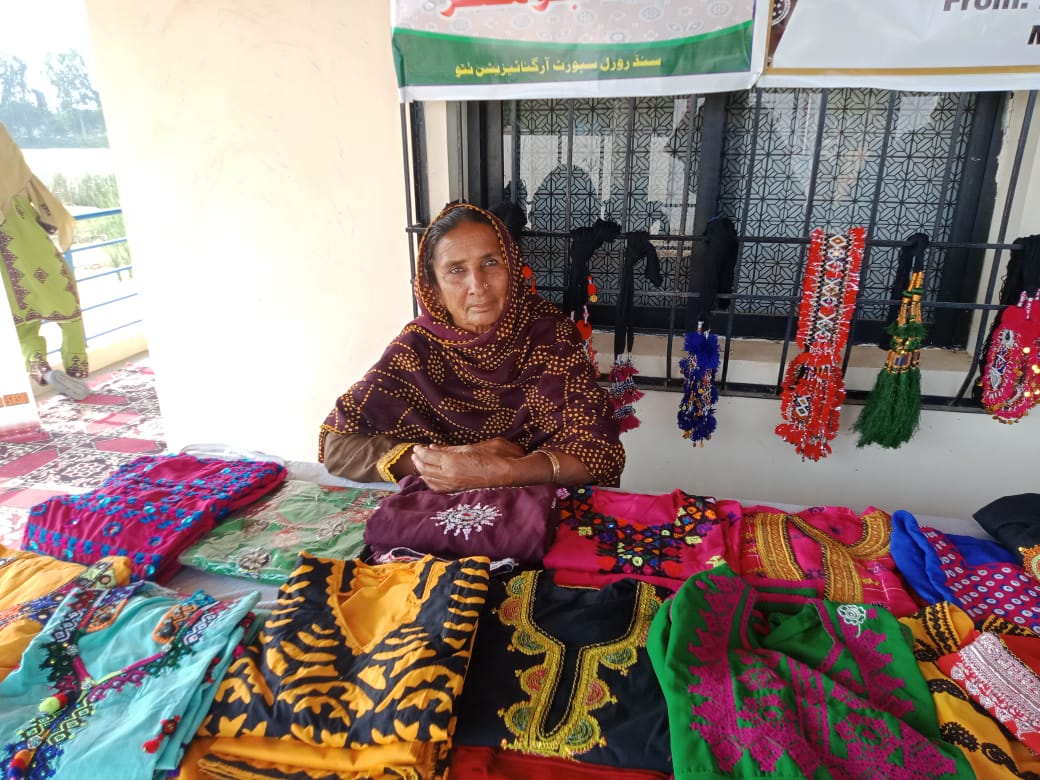
Economic independence has been a turning point for women in Thatta. Supported by interest‑free loans from SRSO, women have turned traditional skills into profitable enterprises.
Key livelihood initiatives include:
- Traditional handicrafts and embroidery, generating monthly incomes between PKR 10,000 and 18,000
- Fish farming projects, transforming barren land into productive ponds, with initial profits reaching PKR 70,000
- Livestock rearing, where earnings are reinvested to ensure long‑term financial stability
These ventures allow women to move beyond prescribed domestic roles and become architects of their own economic futures.
Preserving Sindhi Culture Through Craft
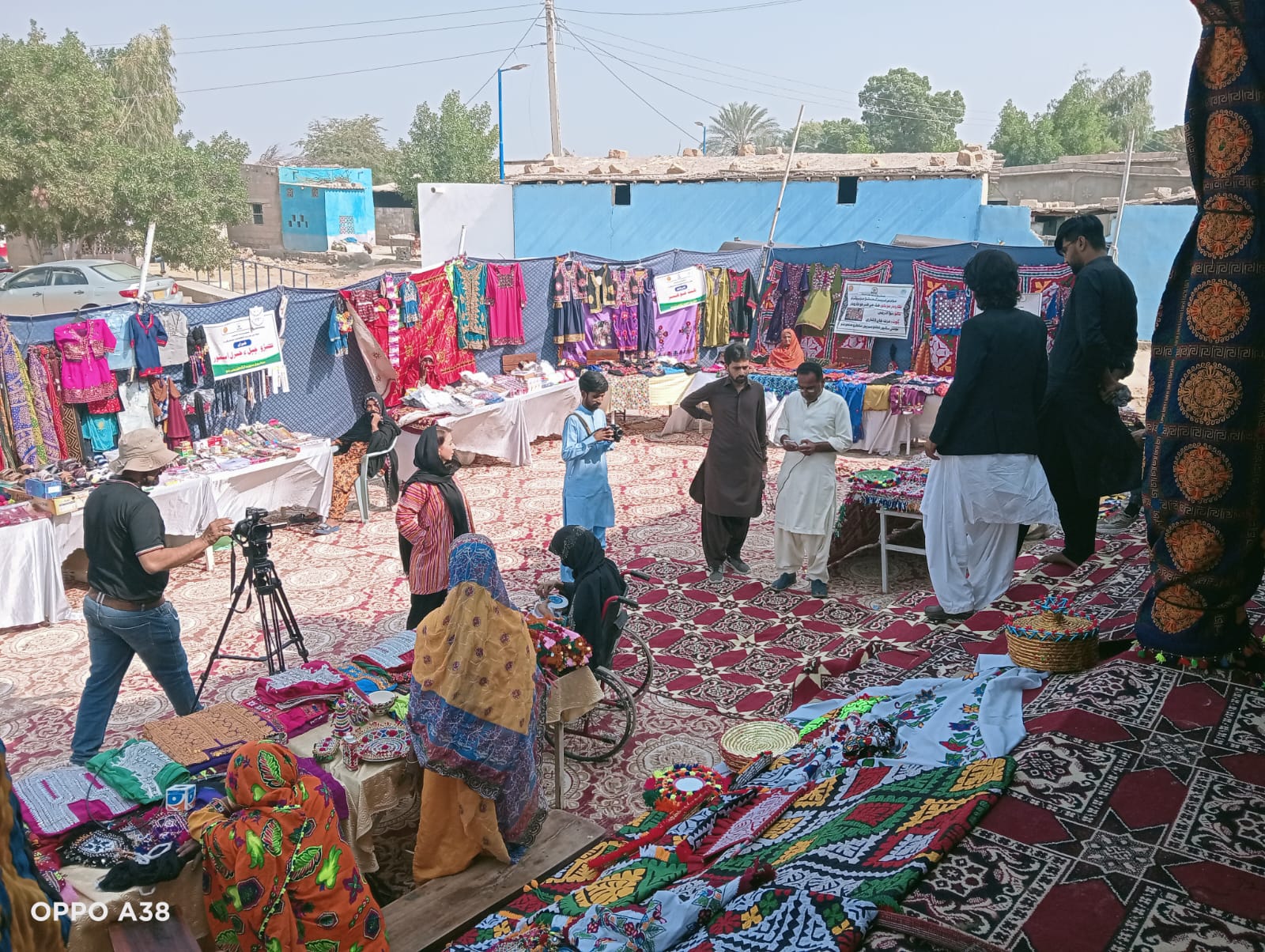
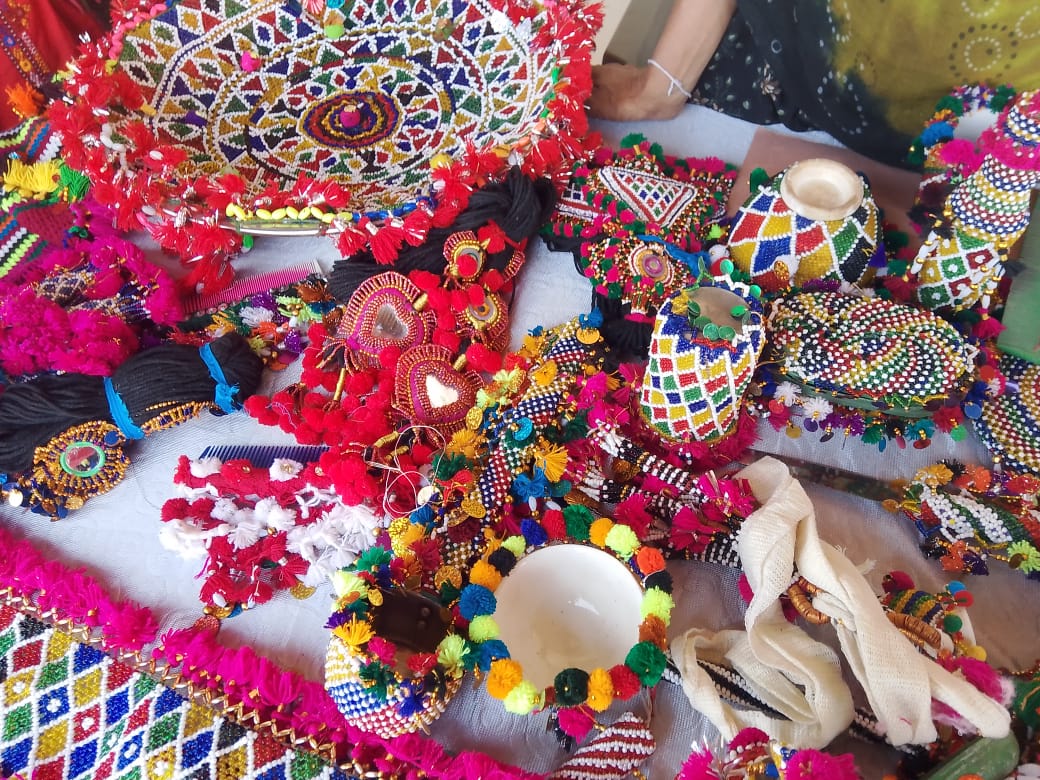
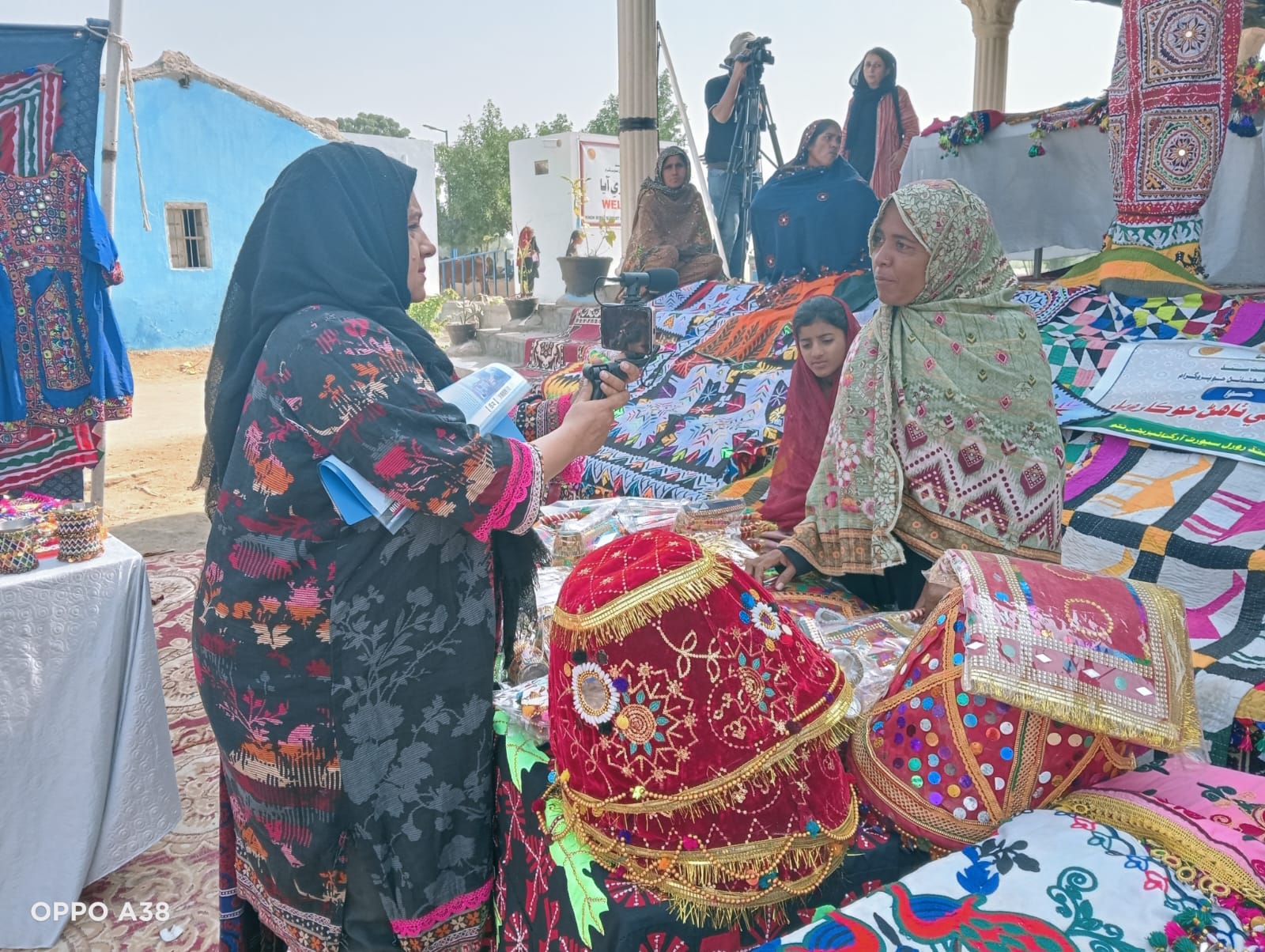
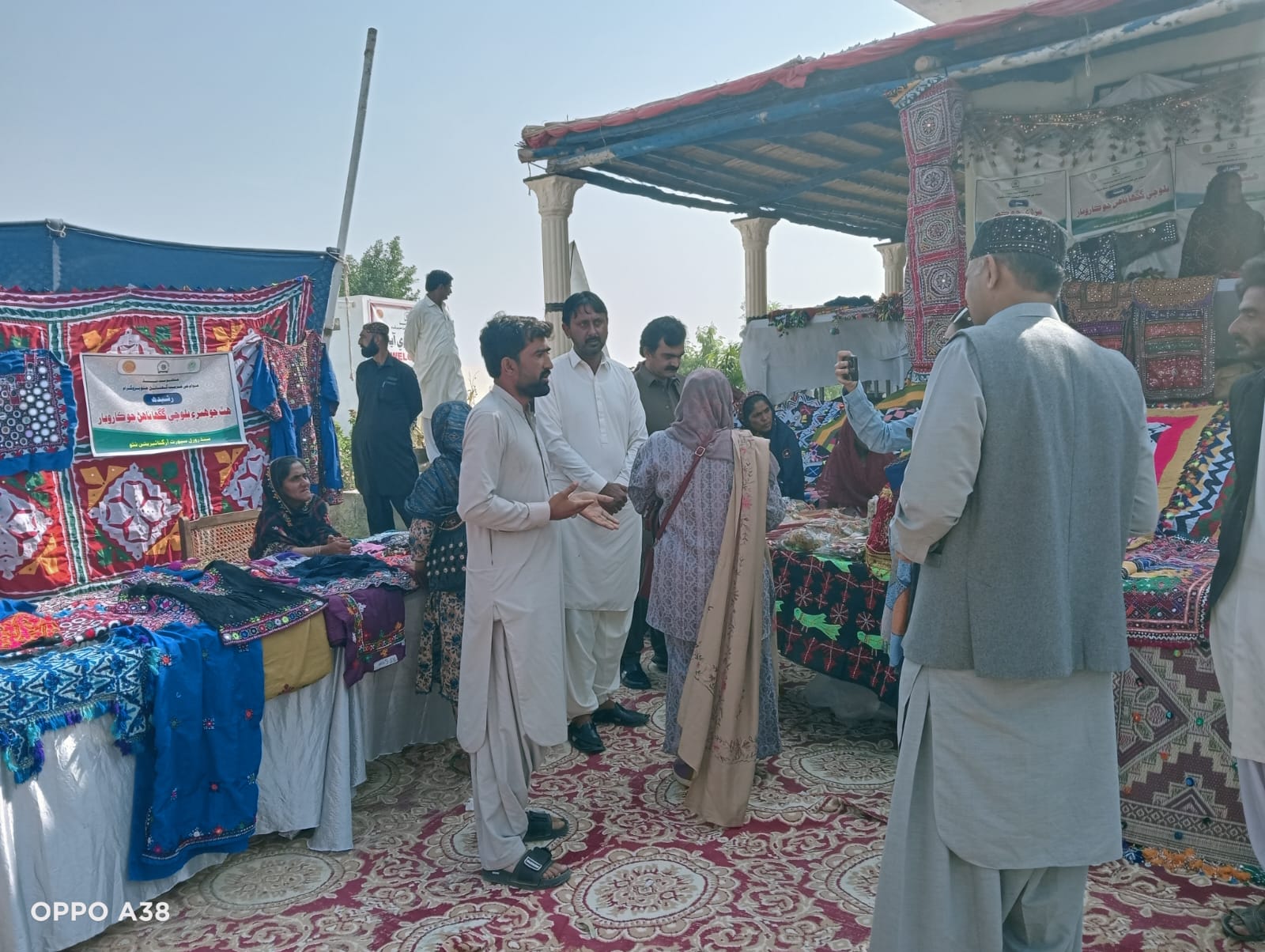
The women of Lakho Bhambro are not only earning livelihoods—they are safeguarding Sindhi cultural heritage. Intricate beadwork (Motiyon ka Kaam), rilli quilts, gota embellishments, and embroidered bridal dowries remain central to Sindhi identity.
Handcrafted dowry items such as:
- Beaded makeup boxes (PKR 3,000–4,000)
- Decorative platters for wedding rituals
- Oil bottles used in the Mayun ceremony
- Embroidered sheets valued up to PKR 30,000
Each piece carries emotional, cultural, and economic value, transforming tradition into a source of empowerment rather than constraint.
Education: Barriers, Bravery, and Breakthroughs
Education remains one of the biggest challenges in rural Thatta. Village schools only operate up to primary level, forcing children—especially girls—to travel long distances for further education.
Despite social resistance, families are increasingly prioritizing girls’ education. Stories like:
- Safia, whose father defied threats of social ostracism to ensure she completed her education and now teaches in her village
- Surraya Lashari, who overcame devastating floods and personal loss to pursue her dream of becoming a doctor
These narratives highlight how education, when supported by family and community, becomes a powerful catalyst for change.
The SRSO Model: Architecture of Empowerment
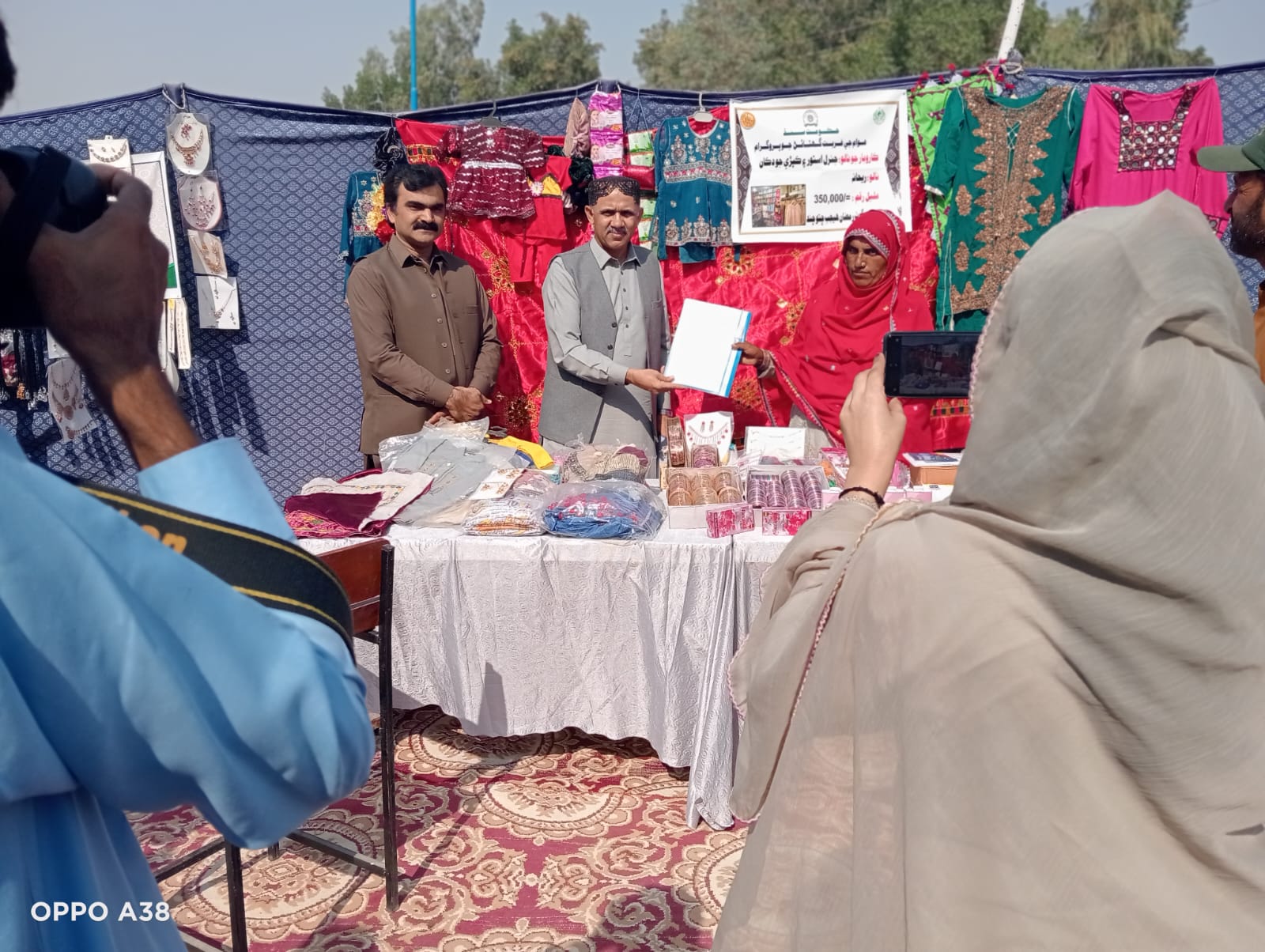
At the core of this transformation is SRSO’s community‑led development model, implemented under the Gurbat Mitao Program (Poverty Eradication Program).
Key features include:
- Interest‑free microfinance removing barriers to entrepreneurship
- A PKR 20 crore fund benefiting over 2,000 people in Thatta
- Capacity building through direct engagement with markets and financial institutions
- Infrastructure development including paved roads, sanitation facilities, and street lighting
According to Muhammad Dital Kalhoro, CEO of SRSO:
“Government jobs cannot be provided for everyone. Entrepreneurship, supported by access to capital, is the only viable path to widespread empowerment.”
This holistic approach has not only increased incomes but also built confidence and leadership among rural women.
Media as a Force Multiplier: The Role of GMI
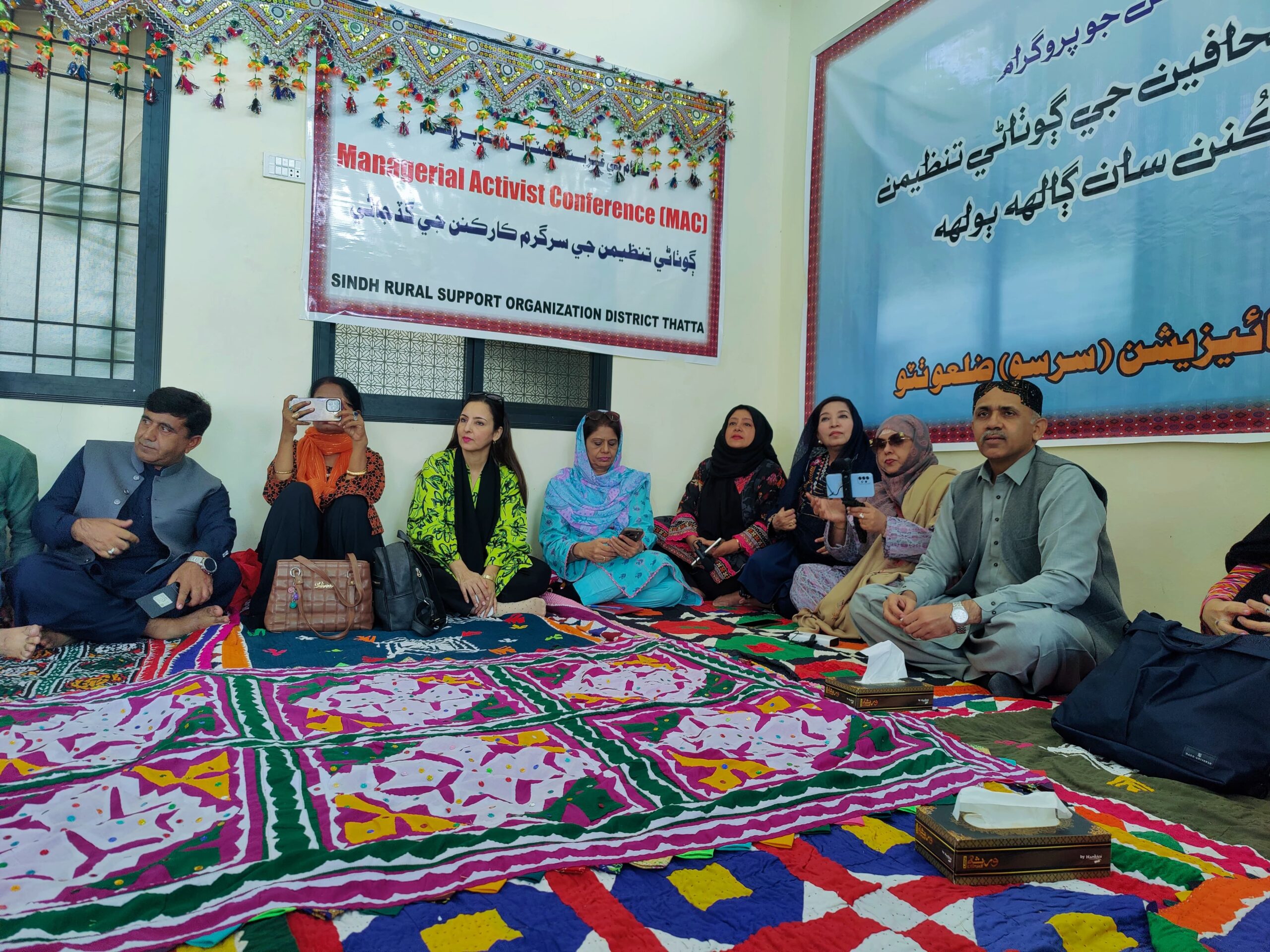
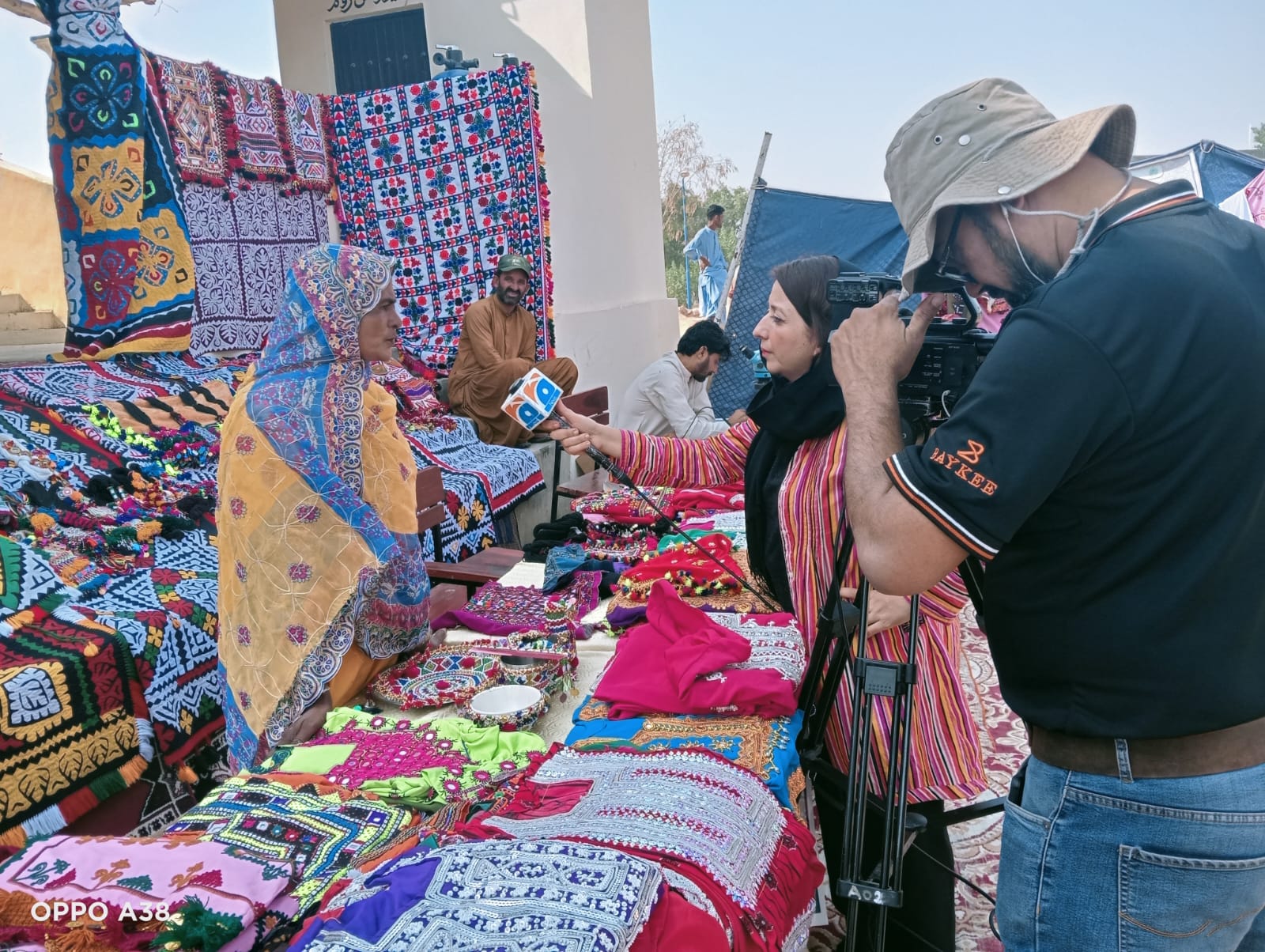
Green Media Initiatives (GMI) has played a critical role in documenting and amplifying these transformations. Through partnerships with mainstream and digital media platforms—such as BOL News, Geo News, AAJ News, K21, and independent YouTube journalists—stories from Lakho Bhambro reached national audiences.
By framing the village as a model of women‑led development, media coverage legitimized grassroots progress and inspired replication across Sindh. Digital storytelling brought nuanced human experiences into public discourse, ensuring rural women were seen, heard, and valued.
Ongoing Challenges and the Road Ahead
Despite significant progress, challenges persist:
- Limited access to secondary education
- Socio‑cultural resistance to women’s mobility and leadership
- Climate vulnerability, highlighted by the devastating floods of 2022
Addressing these issues requires integrated solutions that combine economic empowerment with education, disaster resilience, and continued advocacy.
Conclusion: Women as the Future of Sustainable Development
The transformation of rural women in Thatta demonstrates that economic empowerment, cultural preservation, and social change are deeply interconnected. Through strategic partnerships like SRSO and GMI, women have turned heritage into opportunity and adversity into resilience.
The indomitable spirit of Thatta’s women is its greatest asset—one that holds the promise of sustainable development, gender equity, and lasting change for generations to come.