
Dr. Rasul Clarifies Climate Change Realities for Pakistan at Karachi Press Club
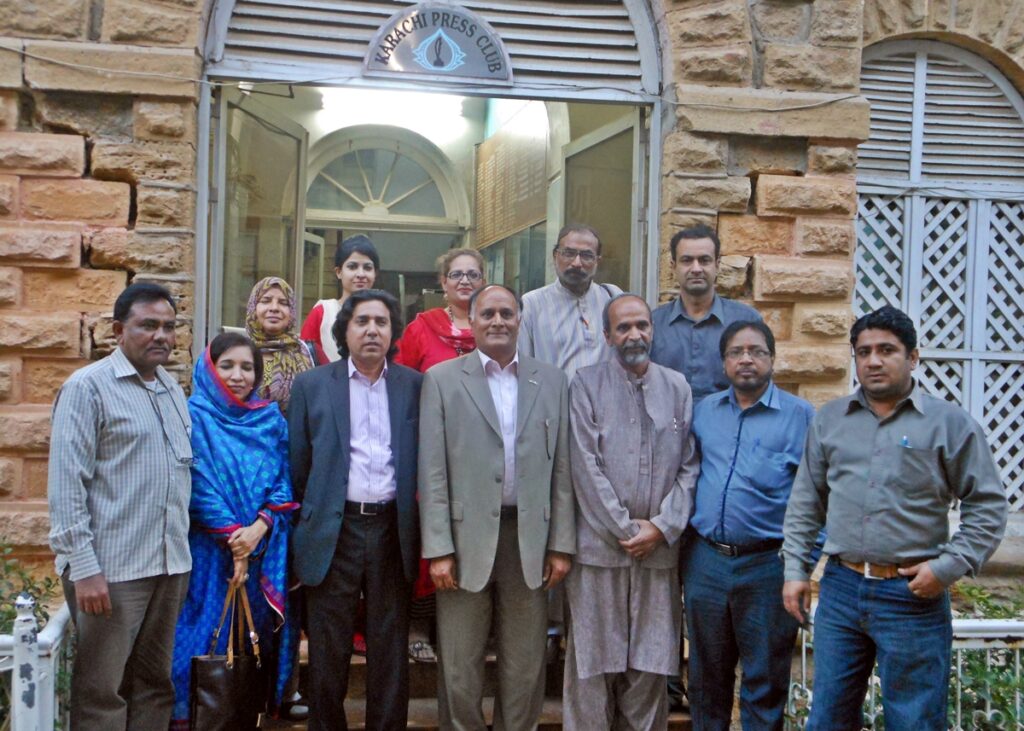
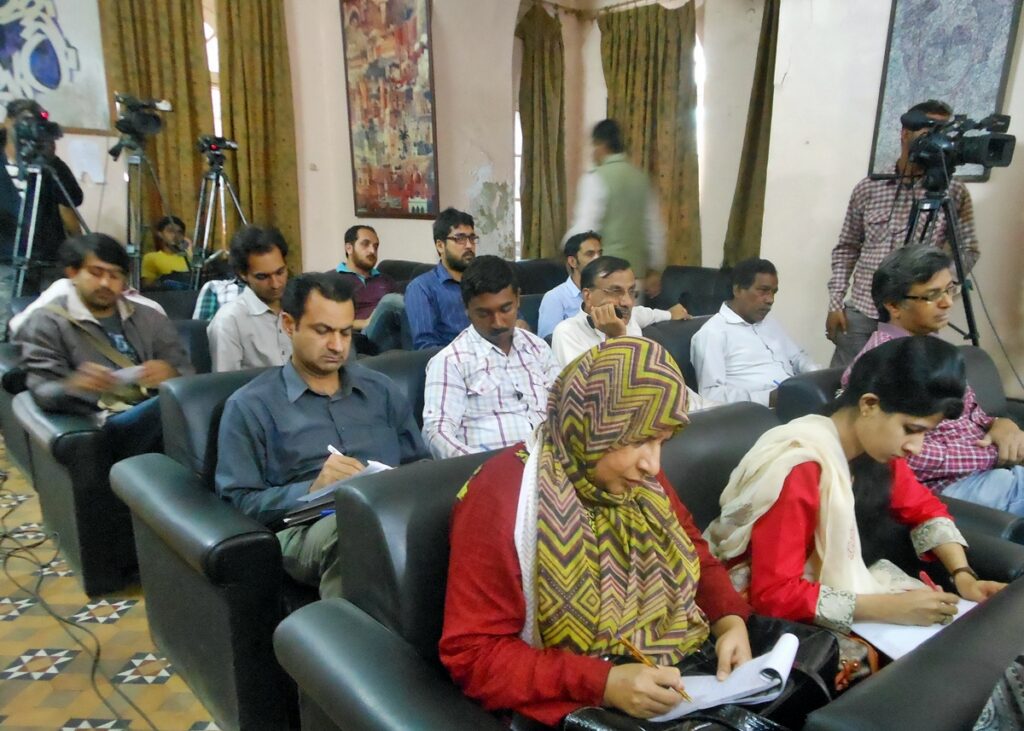
Dr. Rasul Clarifies Climate Change Realities for Pakistan at Karachi Press Club. Amid growing public concern and alarming media reports on climate change impacts, Weather and Climate Change Expert Dr. Rasul, Chief Meteorologist of the Pakistan Meteorological Department (PMD), delivered a comprehensive and fact-based media briefing during his visit to the Karachi Press Club. The session drew a large number of journalists and representatives from environmental NGOs, reflecting the urgency of climate discourse in Pakistan.
Dr. Rasul, widely regarded as one of the country’s most credible voices on climate science, addressed recent claims circulating in sections of the press that Karachi, Thatta, and Badin could be completely drowned or submerged by the year 2060 due to sea level rise. He firmly rejected these exaggerated projections, emphasizing that while climate change poses serious and undeniable risks to Pakistan, fear-driven narratives without scientific grounding can be misleading and counterproductive.
“Climate change is real, and Pakistan is among the most vulnerable countries in the world,” Dr. Rasul stated. “However, the concept of complete submergence of major cities like Karachi by 2060 is not supported by current scientific evidence.” He stressed the importance of responsible reporting and urged the media to rely on verified data and expert analysis when covering climate-related issues.
While dispelling myths, Dr. Rasul did not downplay the gravity of the situation. He explained that Pakistan is already experiencing significant changes in weather patterns due to global warming, including more intense heatwaves, erratic monsoon rains, prolonged droughts, and frequent flooding. These changes, he warned, are likely to intensify in the coming years if comprehensive mitigation and adaptation measures are not implemented.
Highlighting the country’s geographical vulnerabilities, Dr. Rasul pointed to the rapid melting of glaciers in the northern regions as a major concern. Pakistan is home to some of the world’s largest glaciers outside the polar regions, and accelerated glacial melt due to rising temperatures poses multiple risks. In the short term, increased glacial melt can lead to flooding and glacial lake outburst floods (GLOFs), while in the long term it may contribute to water scarcity and sea level rise.
Dr. Rasul explained that sea level rise, combined with reduced freshwater flows, is already contributing to sea intrusion in coastal districts such as Thatta and Badin. This intrusion is degrading fertile agricultural land, contaminating freshwater resources, and threatening livelihoods dependent on farming and fishing. “Sea intrusion is a serious issue for coastal Sindh, and it directly affects food security and rural economies,” he noted.
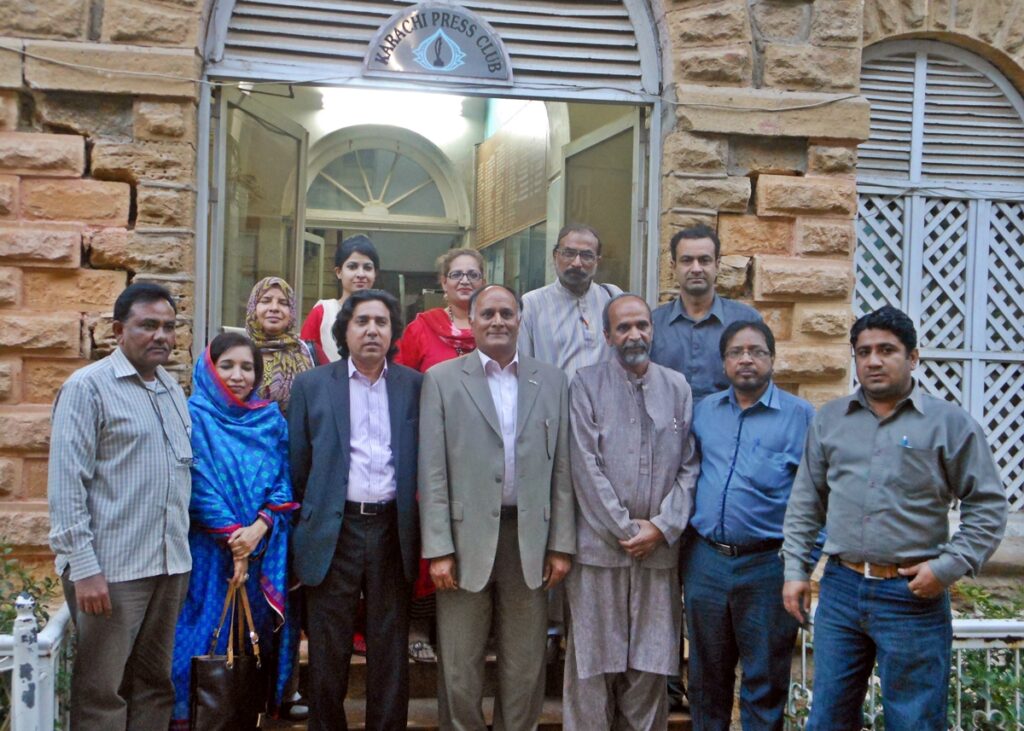
Supporting this view, Shabina Faraz of Green Media Initiatives (GMI) addressed the gathering and reaffirmed her organization’s commitment to climate action through media capacity building. She endorsed the need for sustained efforts to address climate change impacts and announced that GMI would continue training media professionals across Pakistan on climate change reporting. “An informed and skilled media is critical for translating complex climate science into stories that people can understand and act upon,” she said.
Addressing flood management, Dr. Rasul emphasized that building dams and improving water storage infrastructure could play a crucial role in reducing flood risks and managing excess water during intense rainfall events. He clarified that while dams are not a standalone solution, they are an important component of an integrated water and climate resilience strategy for Pakistan.
A key theme of the briefing was the need for collective action. Dr. Rasul underscored that climate change cannot be tackled by a single institution or sector. “Joint efforts by government bodies, scientific institutions, media, civil society, and local communities are essential to mitigate the after-effects of climate change,” he said. He called for stronger coordination between policymakers, researchers, and communicators to ensure that climate strategies are both scientifically sound and socially inclusive.
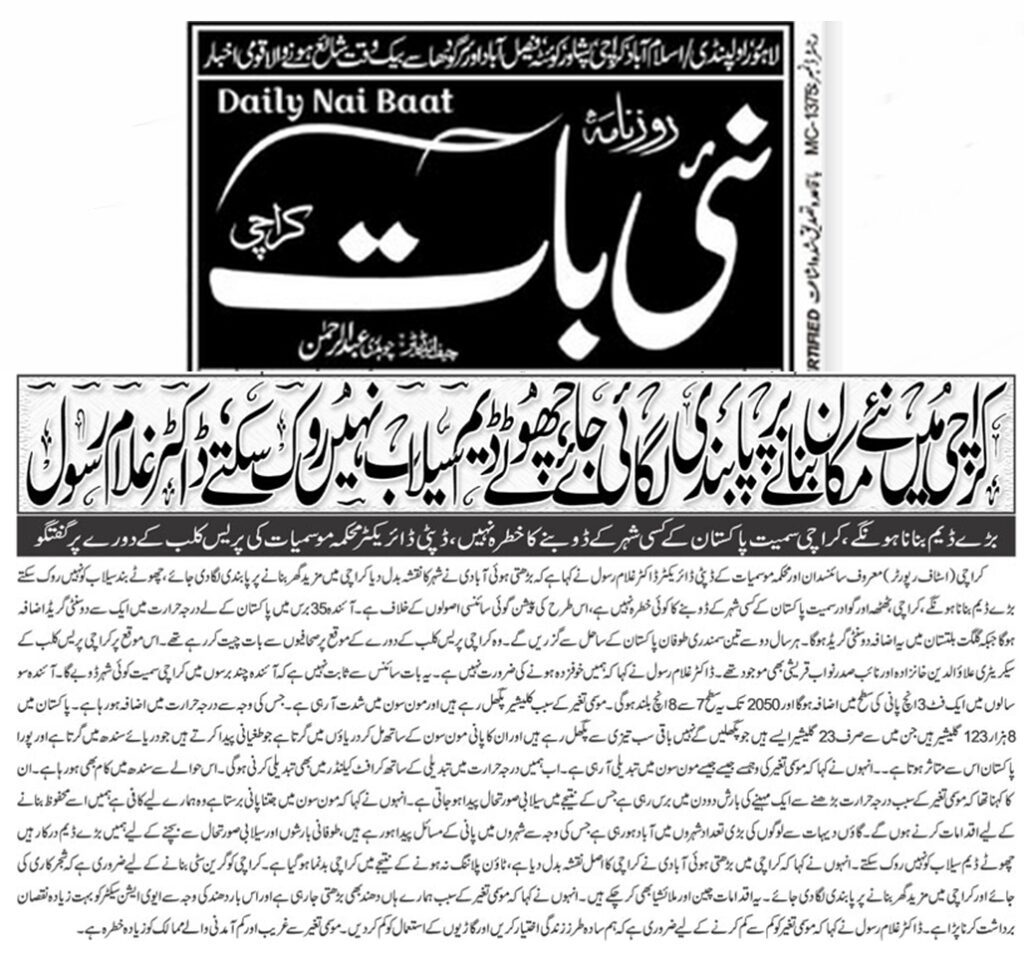
The role of the media received special attention during the session. Dr. Rasul acknowledged that journalists are on the front line of public awareness and have the power to shape perceptions and influence policy debates. He encouraged media professionals to build their understanding of climate science to report accurately and responsibly on climate risks and solutions.
The well-attended briefing concluded with an interactive question-and-answer session, reflecting strong interest from both journalists and environmental organizations. The event served as a timely reminder that while climate change presents severe challenges for Pakistan, informed dialogue, evidence-based policy, and collaborative action can help the country navigate an increasingly uncertain climate future.